

Choosing the best plants in Plants vs Brainrots comes down to more than rarity. A strong garden needs dependable early defense, efficient midgame upgrades, and enough damage to handle tougher Brainrots without wasting cash on replacements too soon. Our team recommends judging every plant by its current performance and how well it fits your progression.
If you're comparing upgrades or planning which Plants vs Brainrots Items to prioritize, start with your weakest defensive lane rather than chasing the rarest seed. The right plant at the right time can be more valuable than an expensive unit that leaves the rest of your garden underpowered.
Plants vs Brainrots Tier List: Best Plants Ranked
Our tier list combines reported damage rankings with practical progression value. It is a general recommendation, not an official developer ranking. Community sources disagree on some plant stats, and limited availability or mutations can change which option makes the most sense for your garden.
| Tier | Recommended plants | Best use |
|---|---|---|
| S | Brussel Sprouts, Glacial Lily, Commando Apple, Starfruit | High-damage endgame lineups |
| A | King Limone, Shroombino, Mango, Tomatrio | Strong upgrades for established gardens |
| B | Mr Carrot, Carnivorous Plant, Cocotank, Grape | Midgame progression |
| C | Watermelon, Eggplant, Dragon Fruit, Sunflower | Early-to-midgame development |
| D | Cactus, Strawberry, Pumpkin | Temporary starter defense |
These tiers should help narrow your choices, not dictate every purchase. A high-tier plant may be difficult to obtain, while a lower-tier option can still be useful if it covers a vulnerable lane or fits your current budget.
We also recommend checking the plant's displayed stats before making a major investment. Base damage alone does not tell the whole story when mutations, attack behavior, and the needs of your current setup are involved.
Best Early-Game Plants: Build a Stable Defense
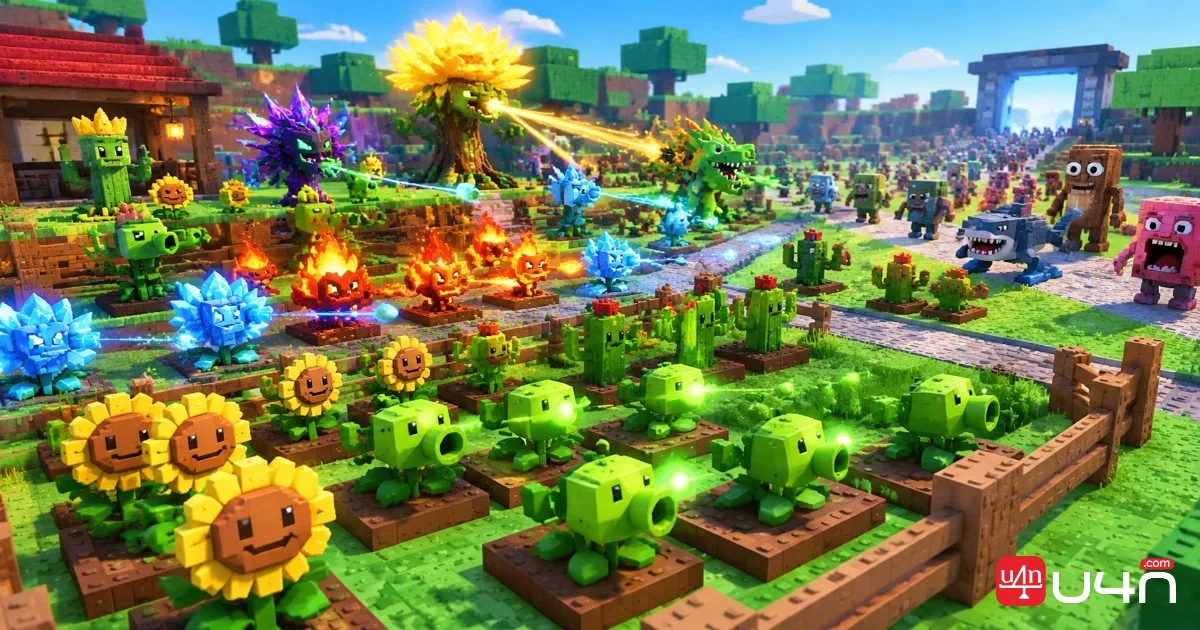
Early progression is mainly about establishing reliable coverage. Your cash is limited, and an expensive purchase can delay several smaller upgrades that would keep more of your garden protected.
| Plant | Recommended role | When to replace it |
|---|---|---|
| Cactus | Basic starter defense | When enemies begin getting through consistently |
| Strawberry | Affordable early coverage | When a stronger seed offers a meaningful improvement |
| Pumpkin | Temporary progression option | When its damage no longer justifies the investment |
| Sunflower | Early development and a stepping stone | When stronger plants become affordable |
Treat these plants as temporary investments rather than units you must keep throughout the game. Their value lies in helping you build enough resources to move toward stronger seeds.
Our team suggests placing your initial plants to cover weak spots first. If one lane is consistently failing, improve that lane before upgrading a section that already handles incoming enemies comfortably.
One common mistake is buying a rare plant as soon as it becomes available, then discovering that the remaining garden cannot handle the pressure. Keep your defense stable while saving for the next meaningful upgrade.

Best Midgame Plants: Spend Cash More Efficiently
Midgame is where upgrading becomes a balancing act. Starter plants begin to fall behind, but replacing every unit at once can consume cash without producing a meaningful improvement across the whole garden.
These are the plants we would compare as your resources and seed options improve:
- Watermelon: A possible step beyond basic starters when you need more damage.
- Grape: A practical option to evaluate against other seeds available at the time.
- Cocotank: Worth considering when your budget supports a stronger defensive lineup.
- Carnivorous Plant: A candidate for players moving beyond the opening stages.
- Mr Carrot: A useful upgrade target as you prepare for stronger plants.
- Tomatrio: An option to compare when you need a more substantial increase in damage.
The important part is not buying every plant on this list. Compare the new plant's actual performance with the unit you intend to replace, then consider whether the improvement justifies the cost.
For example, if one lane is struggling while the others are stable, replacing its weakest plant is usually a more sensible move than upgrading your strongest lane again. This approach keeps your garden functional while you work toward higher-tier options.
Best Late-Game Plants: Which Units Deserve Priority?
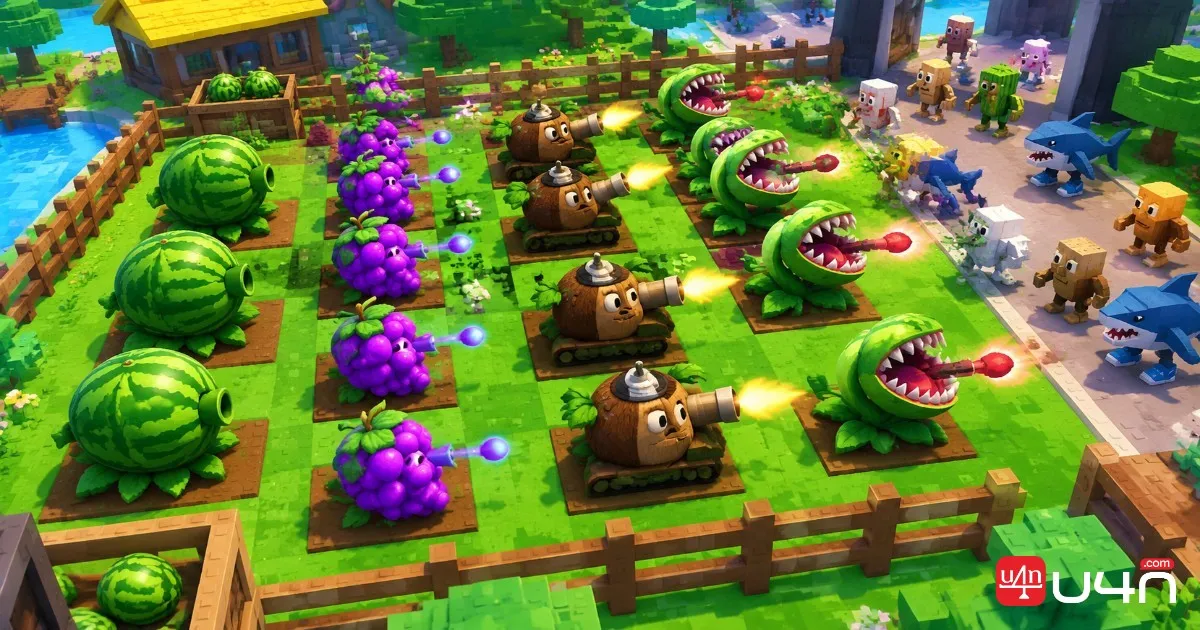
Late-game progression shifts the focus toward stronger damage output and a lineup that can handle tougher encounters. Recent community rankings repeatedly highlight four plants, although their exact positions and availability can differ between guides.

1. Brussel Sprouts — Top damage candidate
Brussel Sprouts appears at the top of several recent damage-focused rankings. It is worth checking first if you want to build around a premium damage dealer. Before investing heavily, confirm its current stats and compare its performance with the plants you already own.
2. Glacial Lily — High-tier alternative
Glacial Lily is another leading choice in community lists. It deserves consideration when you're building an endgame lineup, but verify its current availability and in-game performance before planning your upgrades around it.
3. Commando Apple — Premium damage option
Commando Apple frequently appears among the recommended high-damage plants. Its place in your lineup should depend on its current stats, availability, and the cost of obtaining it rather than a fixed community ranking.
4. Starfruit — Endgame investment
Starfruit is another plant worth evaluating when you're ready to move beyond midgame options. Consider whether it provides enough of an improvement to justify the investment without leaving other lanes underdefended.
King Limone, Shroombino, Mango, and Tomatrio are also worth keeping on your upgrade shortlist. The best choice depends on what you can obtain and how much your current garden needs to improve.
We would not treat any single ranking as permanent. Check current in-game stats, account for mutations, and prioritize a plant that solves your actual defensive problem rather than one that simply occupies a higher tier.
Mutations and Upgrade Priorities
Plant rarity is only one part of the decision. Mutations can change a plant's performance significantly, so comparing two plants by their names alone can lead to poor upgrade choices.
Our team recommends three simple rules:
- Compare actual stats: Check the damage shown in-game instead of assuming every plant in the same tier performs identically.
- Upgrade the weakest lane first: Improve overall coverage before spending more on a lane that already handles enemies comfortably.
- Keep useful plants until replacements are ready: Avoid removing a functional defender before you can deploy its replacement.
A mutated lower-tier plant may outperform an unmodified alternative in some situations. However, the result depends on the plants' base stats and the mutation effects in the current version. Test the options you already have instead of assuming that every mutation guarantees a better result.
It is also worth keeping some cash in reserve. If a valuable seed becomes available, having enough resources to act immediately can be more useful than spending your entire balance on small upgrades.
Best Plant Setup for Every Stage
You do not need to follow a rigid sequence to build a strong garden. Use the table below as a progression roadmap and adjust it according to your available seeds, cash, and current defensive needs.
| Progression stage | Plants to consider | Main objective |
|---|---|---|
| Early game | Cactus, Strawberry, Pumpkin | Establish affordable coverage |
| Midgame | Watermelon, Grape, Cocotank, Carnivorous Plant | Replace weak defenders efficiently |
| Late game | Mr Carrot, Tomatrio, Mango, Shroombino | Improve overall damage output |
| Endgame | Brussel Sprouts, Glacial Lily, Commando Apple, Starfruit | Build around premium damage options |
When reviewing your garden, ask three questions before making the next purchase:
- Which lane is struggling the most?
- Will the new plant provide a meaningful improvement for its cost?
- Can the rest of my garden remain effective after I spend the cash?
These checks are especially useful when you are working toward expensive plants. Players comparing progression routes or deciding whether to develop an alternative Plants vs Brainrots Accounts setup should focus on sustainable upgrades rather than assuming that a high-tier lineup is immediately achievable.
Summary: Build Around Damage and Value
The strongest Plants vs Brainrots garden balances dependable defense with long-term damage growth. Cactus, Strawberry, and Pumpkin can help establish early coverage, while Watermelon, Grape, Cocotank, and Carnivorous Plant offer options to consider as your resources improve.
For late-game progression, Brussel Sprouts, Glacial Lily, Commando Apple, and Starfruit deserve priority when their current stats and availability justify the investment. King Limone, Shroombino, Mango, and Tomatrio can also fit into your upgrade plan.
Our team's advice is simple: strengthen weak lanes first, compare actual in-game performance, and avoid replacing plants without a clear reason. A sensible upgrade path will generally serve you better than chasing every rare seed or following a tier list without checking your own garden.
FAQ
What is the best plant in Plants vs Brainrots?
Brussel Sprouts is a leading candidate in recent community damage rankings. However, the best choice for your garden depends on its current stats, availability, mutations, and the cost of obtaining it.
Which plants are best for beginners?
Cactus and Strawberry are basic starting options, while Pumpkin may serve as a temporary stepping stone. Focus on reliable coverage and save for stronger plants as your cash income improves.
What are the best midgame plants?
Watermelon, Grape, Cocotank, Carnivorous Plant, Mr Carrot, and Tomatrio are worth comparing. Choose according to the improvement each plant offers over your current setup rather than buying every available option.
Are mutations more important than plant rarity?
Not automatically. Mutations can improve a plant's performance, but the outcome depends on the specific effects and base stats. Compare actual results before deciding whether to replace an existing plant.
Does this tier list apply to every update?
No. Community rankings may use different measurements, and plant availability or balance can change. Treat the list as a starting point and verify current stats in your own game.